Water damage restoration in Columbus runs $1,500–$5,000+ for extraction and structural dry-out. With growth able to establish on wet materials within 24–72 hours — and a climate that keeps materials wet without help — response speed is the whole ballgame, which is why active water gets priority scheduling.
The first hours, what professional dry-out involves, and how the insurance paperwork gets handled right.
The first hours, in order
- Stop the source if you safely can — supply valve, main shutoff, or a tarp's worth of triage
- Kill power to wet areas at the panel if water reaches outlets or fixtures
- Move what matters — belongings out of the wet zone, furniture legs onto foil or blocks
- Photograph everything before cleanup — your claim will thank you
- Call — extraction and drying started same-day beats remediation started next month
What professional dry-out involves
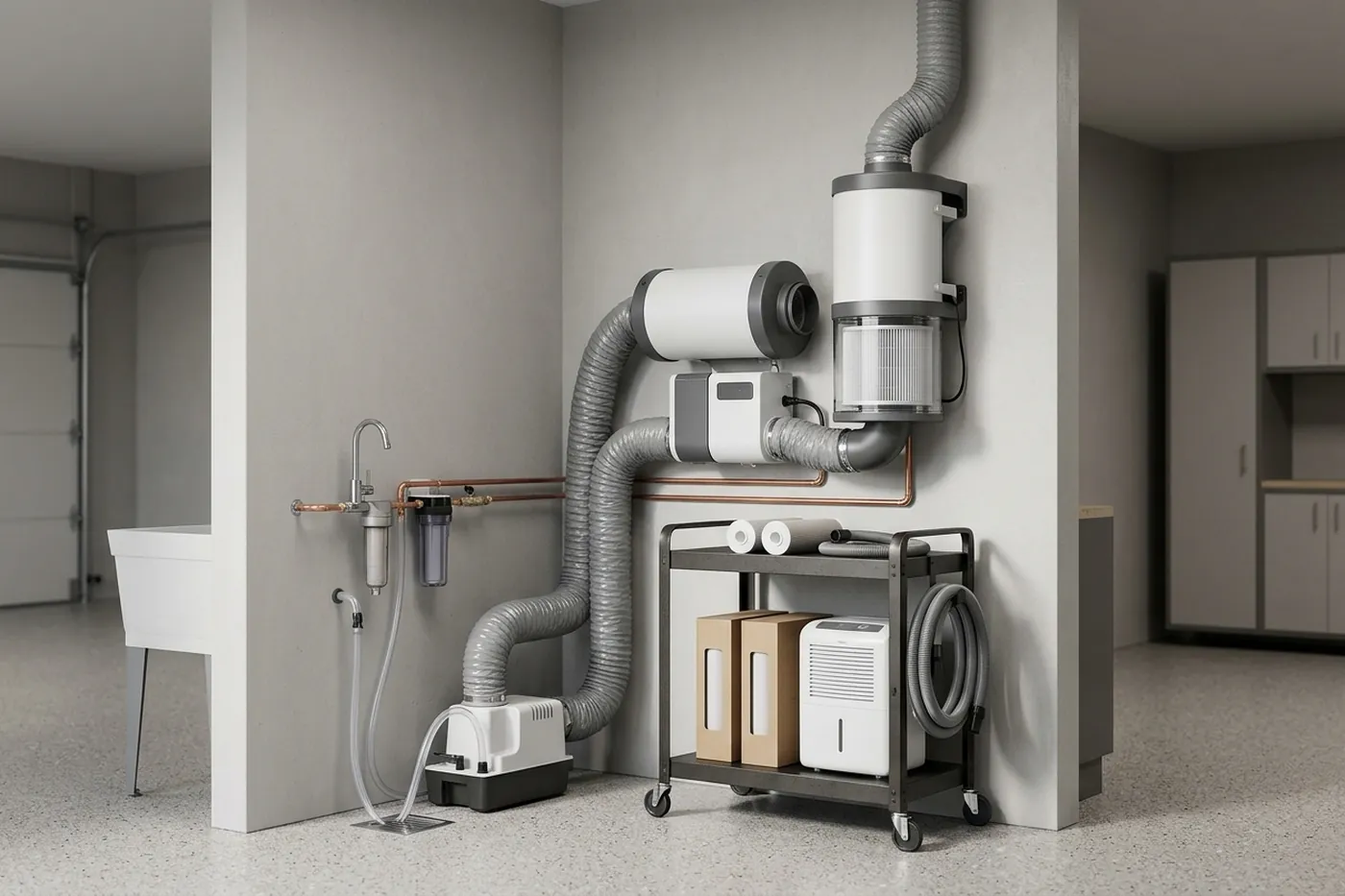
Extraction takes out standing water; the real work is what follows — moisture mapping to find everything the water reached (cavities, subfloor, insulation), dehumidification and directed airflow sized to the load, and daily readings until materials hit dry standards. In a Columbus summer, ambient humidity fights the drying the whole way, which is why equipment gets sized for this climate and why "the fans ran a few days" so often ends in a mold call the following month.
The documentation your claim needs
Water claims live or die on cause and timeline. Our file gives adjusters what they ask for: timestamped photos from first contact, the cause identified in writing, moisture readings at start and completion, and an itemized scope separating dry-out from any remediation. Whether your policy covers the event is between you and your carrier — but no claim was ever helped by thin paperwork, and ours is never thin.
If mold already started
Past 72 hours wet — or any musty smell during dry-out — the project adds a remediation scope, itemized separately so the water work and the mold work stay legible to you and your adjuster. One crew, one file, both problems closed with readings.
Dry-out is mold removal you never have to buy
Every remediation project we run started as a water event somebody underestimated — the supply line that "mostly" got mopped, the storm intrusion that "aired out," the roof drip that waited for a convenient month. In this climate the line between a drying bill and a mold removal bill is usually measured in days. Professional dry-out, started fast and verified with readings, is the cheapest outcome this problem offers — and when growth has already started, catching it at day four instead of month four is the difference between a contained scope and a project.
That's the honest economics behind our priority response: the sooner we're drying, the less anyone ever pays us. We're comfortable with that trade.
The 48-hour clock in a Chattahoochee Valley summer
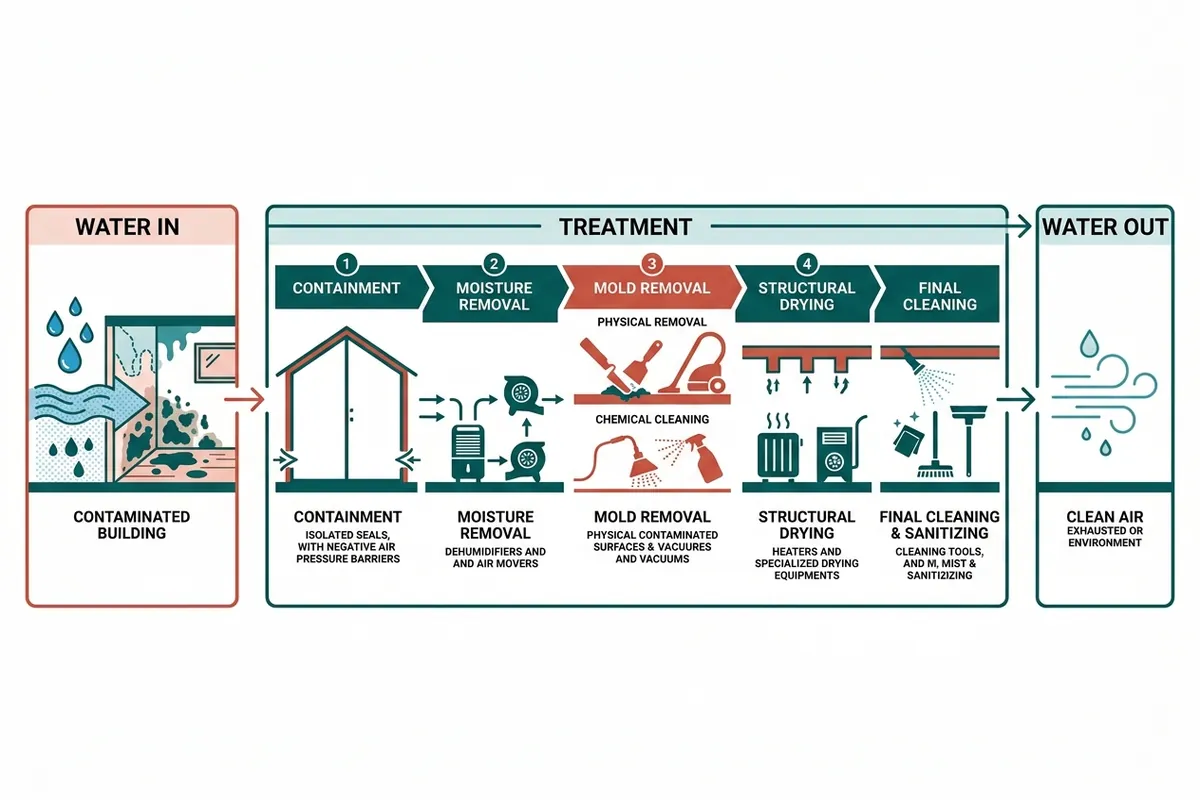
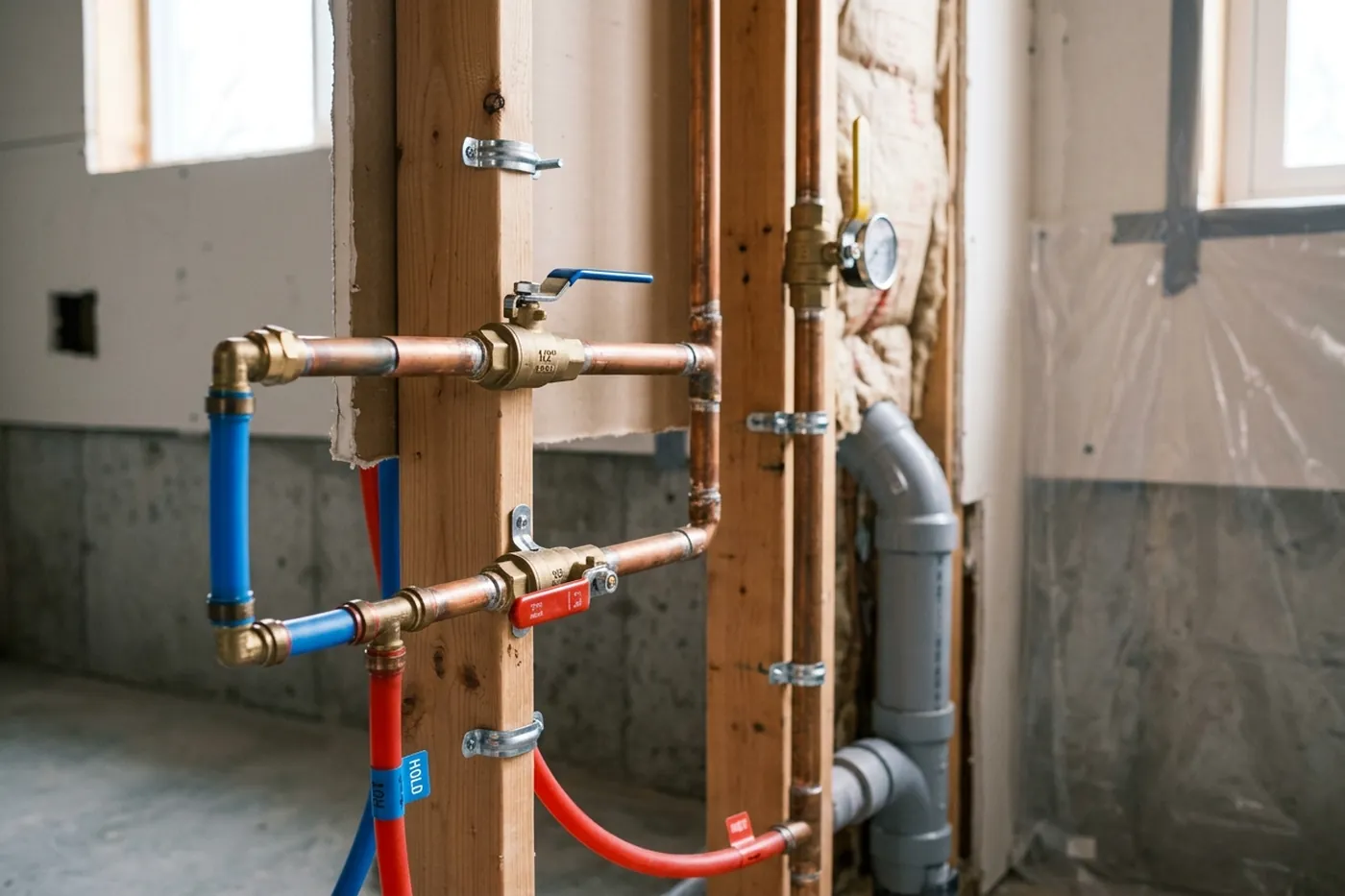
Water damage anywhere starts mold's clock at 24–48 hours; a Columbus summer shortens the runway — ambient humidity slows natural drying while temperatures hold in growth's favorite range around the clock. Response is a two-lane race: extraction and structured drying in lane one (pumps, air movers, dehumidifiers, moisture-mapped daily until materials read dry), prevention in lane two (antimicrobial treatment of exposed framing, removal of what crossed the line before arrival). Winning converts a drying invoice into not-needing-a- remediation invoice.
The paperwork lane matters here too: carriers distinguish sudden events (burst lines, storm intrusion — commonly covered) from long-term seepage (commonly excluded), and the first 48 hours of moisture maps and photos often decide the bucket. Every water job we run is documented to adjuster standard from the first visit — evidence, not recollection, is what your claim gets to stand on.
What has to happen in the first 48 hours?
Summer thunderstorm downpours at the fall line put water into houses fast, and one of Georgia's longest humid cooling seasons makes sure nothing dries on its own afterwards.
| Situation | What it means | How it goes in this market |
|---|---|---|
| Stop and extract | The source closed and standing water out the same day | Fall-line storms arrive hard — extraction the same afternoon is the difference |
| Dry to a standard | Monitored drying against readings from unaffected material | Ambient humidity this high means equipment does the drying, not the weather |
| Remove what stayed wet | Saturated porous materials out before they colonise | In a long cooling season, wet insulation and drywall colonise faster than most markets |
| Verify before rebuild | Moisture readings decide closure — never the calendar | Documentation matters doubly here — water claims fund much of this work |
Insurance is part of most of these jobs, and mold coverage varies by policy and cause. The moisture log and dated photographs are worth as much as the drying itself.
Frequently asked questions
What does water damage restoration cost in Columbus?
Dry-out projects run $1,500-$5,000+ by area and severity; jobs that already grew mold add remediation scope. Fast response holds the number down more than any negotiation.
How fast do you respond?
Active water gets priority scheduling. The mold clock is the reason: growth can establish on wet materials in 24-72 hours, and this climate runs the clock fast.
Will insurance cover the water damage?
Sudden events — burst pipes, appliance failures, storm intrusion — are the claims that usually qualify; gradual leaks usually don't. We document cause, timeline, moisture readings, and scope in adjuster-ready form either way, because documentation decides claims.
Can't I just run fans for a few days?
Surface-dry and actually-dry are different findings. Household fans dry what you can see while wall cavities and subfloors stay wet — the exact places mold starts. Professional drying uses readings to prove the hidden materials are dry, not just the air.
Book a Columbus mold inspection
Tell us what you're seeing — spots on a wall, a musty room, a leak that got away — and we'll schedule an inspection with photos and moisture readings. Active water gets priority scheduling.